Seeds – Elderberry
From $4.99
Bud~Ease™ Medicinal Seed Line
Seeds / Cuttings Ship In Spring 2026 / 2nd Year Shrub Available Now
Top Recommended Live Plant
New – Piezoelectric Garden Decorations & Tools for Plants! Our Selection of Orgone Creations Can Be Found In the “Gardening Tools” Category! Orgone May Enhance Plant Growth!
4 Species Available – Ranch, Wyldewood, Adams, & York
Description
Planting/Growing Discussion:
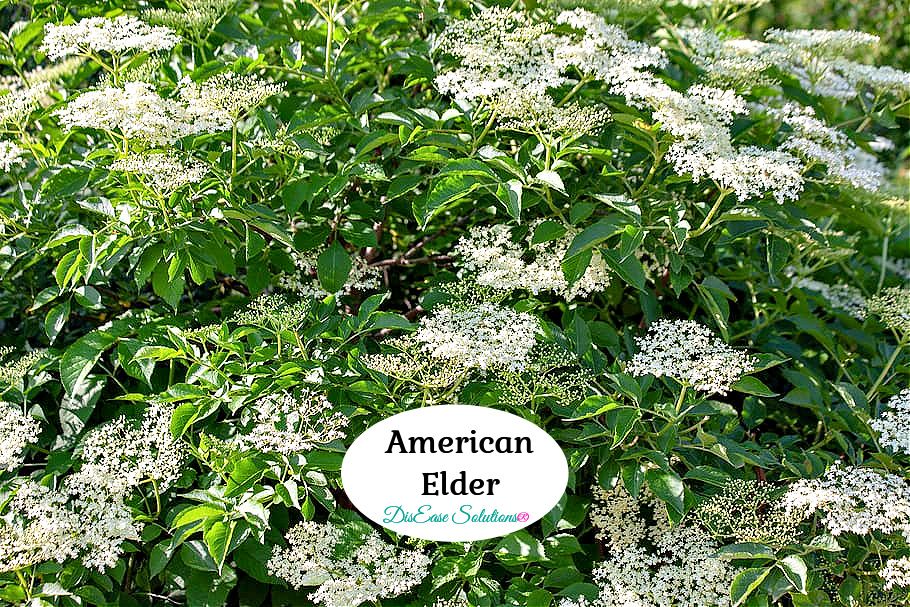
Elderberry, Sambucas canadensis, is one of over 200 species. Elderberry is mostly known for its medicinal compounds, as it is commonly used in many cold remedies, as well as pharmaceuticals. There are four main species and they are said to be interchangeable in medicinal compounds, while the key differences are mainly in size and native areas. This is the canadensis species, which is native in North America, in zones 4-9. There are other species, such as nigra, which are native to European countries.
Every part of elderberry has its own benefits and are each sought out individually. While the berries are densest in vitamin C, the flowers are mostly sought out to make cough remedies, whereas the leaf and twigs may be the most medicinal parts! They are also rare and hard to find. For these reasons, elder is a wonderful plant to have close to home. We must mention that all parts of the elder must be cooked to remove the cyanide constituents, including the berries. This is why elder is popular as a medicinal tea. All of the parts can be frozen to have a supply of herb throughout the winter months, when it may be most needed.
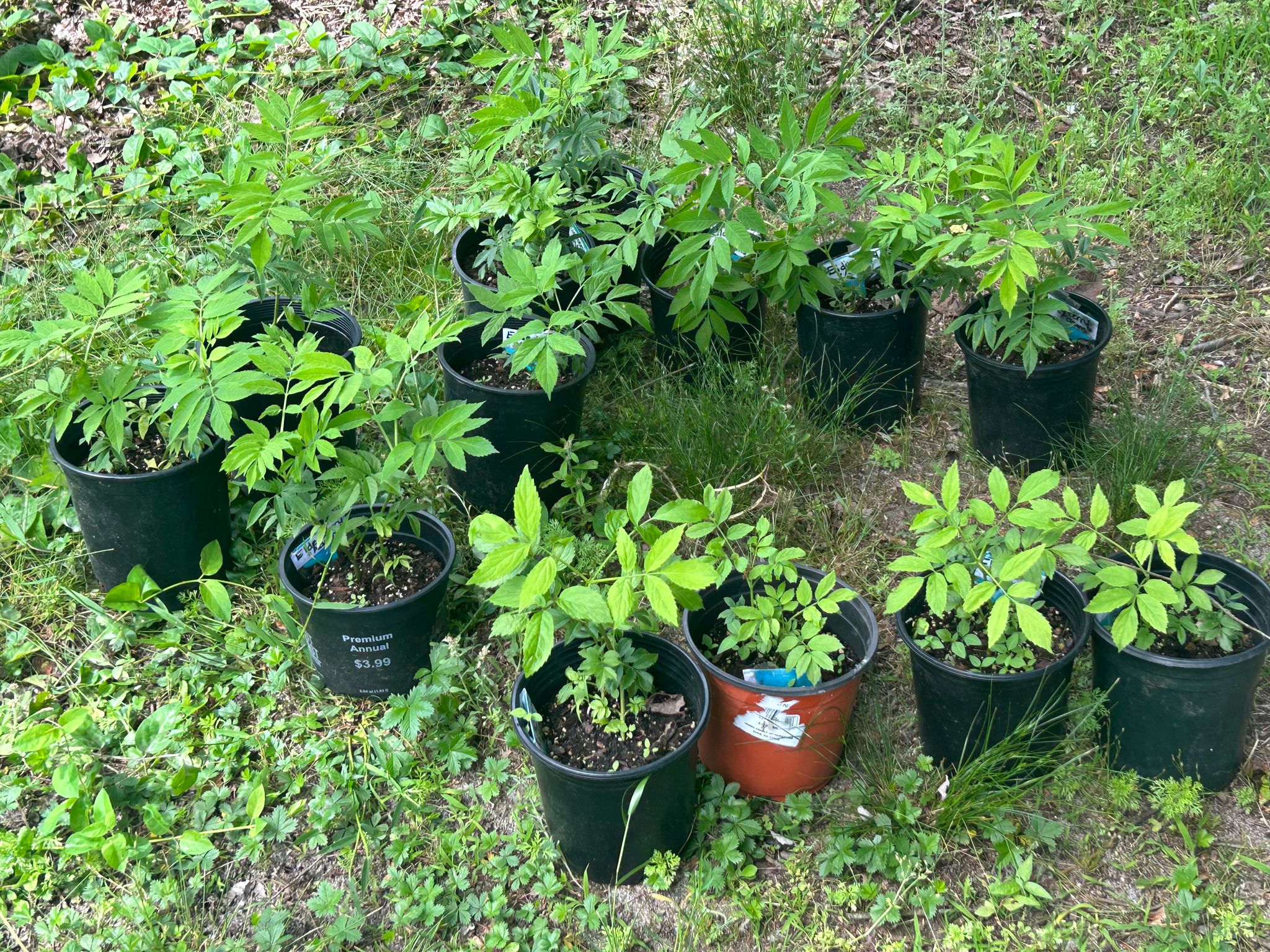
We have created quite an extensive collection of elder, simply by purchasing cuttings one year. Cuttings are one of the easiest plants to root, as they begin to grow roots in as little as 8 days with placing the cuttings in a cup of water. Every 2-3 days simply freshen the water and that is it! After two years, we now have over 50 elder shrubs. We offer cuttings, full-grown shrubs, and seeds. The fully-established shrubs are approximately 3 ft. tall.
We offer 4 species of elder – Ranch, Wyldewood, Adams, & York. Orders will contain assorted species of the first 3 mentioned.. If you prefer a specific one, please leave me a note upon completing your order. Adams, Ranch, and York root and grow the fastest, in that order. Wyldewood is slower-growing but also said to be the most medicinal. Honestly, we feel they are interchangeable and each are potent in their own ways.
Elderberry is a wonderful plant to grow. It may attract butterflies, birds, and other wildlife. Every berry contains 3-5 seeds that have a very thick coating that requires two sessions of stratification. It is a plant that requires patience to grow from seed. It can take up to 7 years for seeds to germinate. No one wants to wait that long! We have freshly-rooted cuttings that will grow to nearly 3 feet tall in the first year!
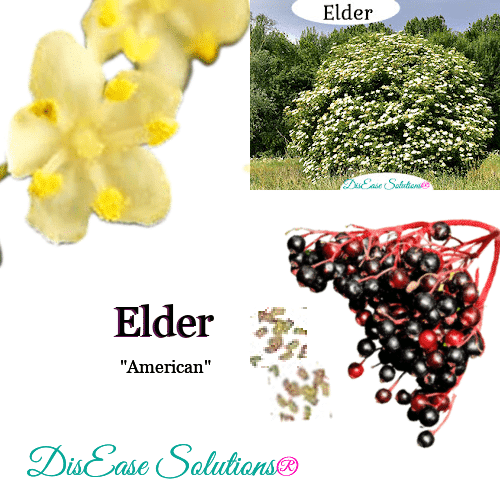
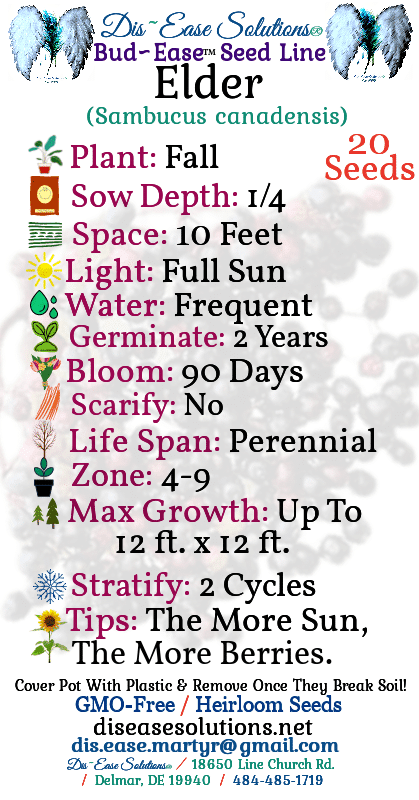
American elderberry is considered to be a large shrub and it is said the largest it will grow is up to 12 feet tall and wide. Therefore, you may want to plant them around 10 ft. apart and keep the rows 12 ft. apart. It is known for forming thickets in moist soils of the edges of streams, marshes, and ditches. It has many stems that emerge from the roots, then arching and spreading as it grows. Its leaves have serrated edges and its flowers form between the middle of June to mid-July. Afterwards, the flowers turn into clusters of black berries from August to September.
If you find a spot to make the elderberry happy, it requires little maintenance. They prefer full sun but can tolerate some shade. They do not like too much sand, wet soil, or consistent drought conditions. It prefers consistently moist soil in the first year but later on it may only need watering when there is little rain. They are said to grow best in a Ph of 5.5 to 6.5. The sunnier the spot, the more flowers you may get, which also means more berries. Due to its shallow roots, mulching may help to conserve and keep them warm through the winter months. It may also provide them with all of the vitamins and nutrients they need, rather than having to feed them, especially in their first year. They say that as long as it is thriving and growing well, it is fine without regular feedings. If it appears to be poorly growing, feeding it may be ideal.
You may want to contemplate on where it should be planted on your property. While it may look great near a pond or in a pasture, it may not be the best plant to put directly near the home or other buildings. It may require some pruning to keep it attractive and to keep it at maximum production. It can be cut back in the fall or early spring, before its new growth begins, as it blooms on the new season’s growth. It can also be cut back to the bottom of the stems, to rejuvenate completely, or it can grow at will, removing dead stems at the end of winter.
The flowers and fruit may come in the second or third year of growth. However, I have seen first year cuttings sprout flowers. The berries are ripe when they are dark purple, or almost black in color. Cut off the entire cluster, then pluck off each berry. Because the berries may spoil quickly, they should be dehydrated, refrigerated, or frozen right away.
A new, fantastic blog that we just wrote can be found by Clicking Here! We have Elderberry products, which you can purchase them and read about the potential medicinal benefits by Clicking Here. We also have Elderberry~Ease™ Syrup.
Additional information
| Weight | N/A |
|---|---|
| Dimensions | N/A |
| Seed / Live Plant Variations: | 2 Year Old Established Shrub, 1 – 4 Inch Cutting, 5 – 4 Inch Cuttings, 10 – 4 Inch Cuttings, 20 seeds, 50 Seeds |
Related products
-
Seed – Torilis japonica
From $7.99 Select options This product has multiple variants. The options may be chosen on the product page -
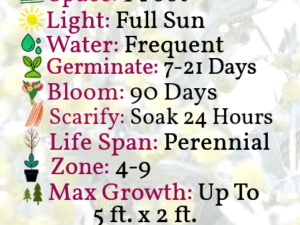
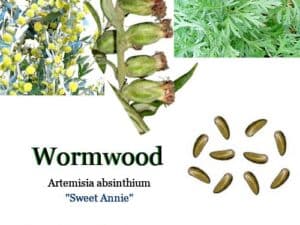
Seed – Wormwood
From $4.99 Select options This product has multiple variants. The options may be chosen on the product page -
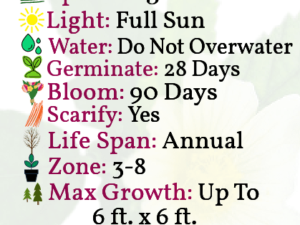
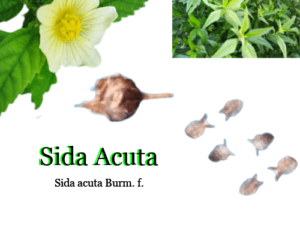
Seeds – Sida Acuta
From $4.99 Select options This product has multiple variants. The options may be chosen on the product page -
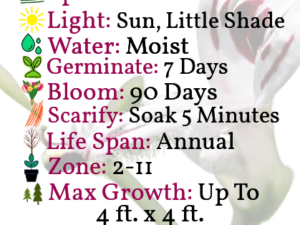
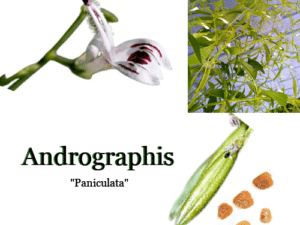
Seed – Andrographis Paniculata
From $6.99 Select options This product has multiple variants. The options may be chosen on the product page